
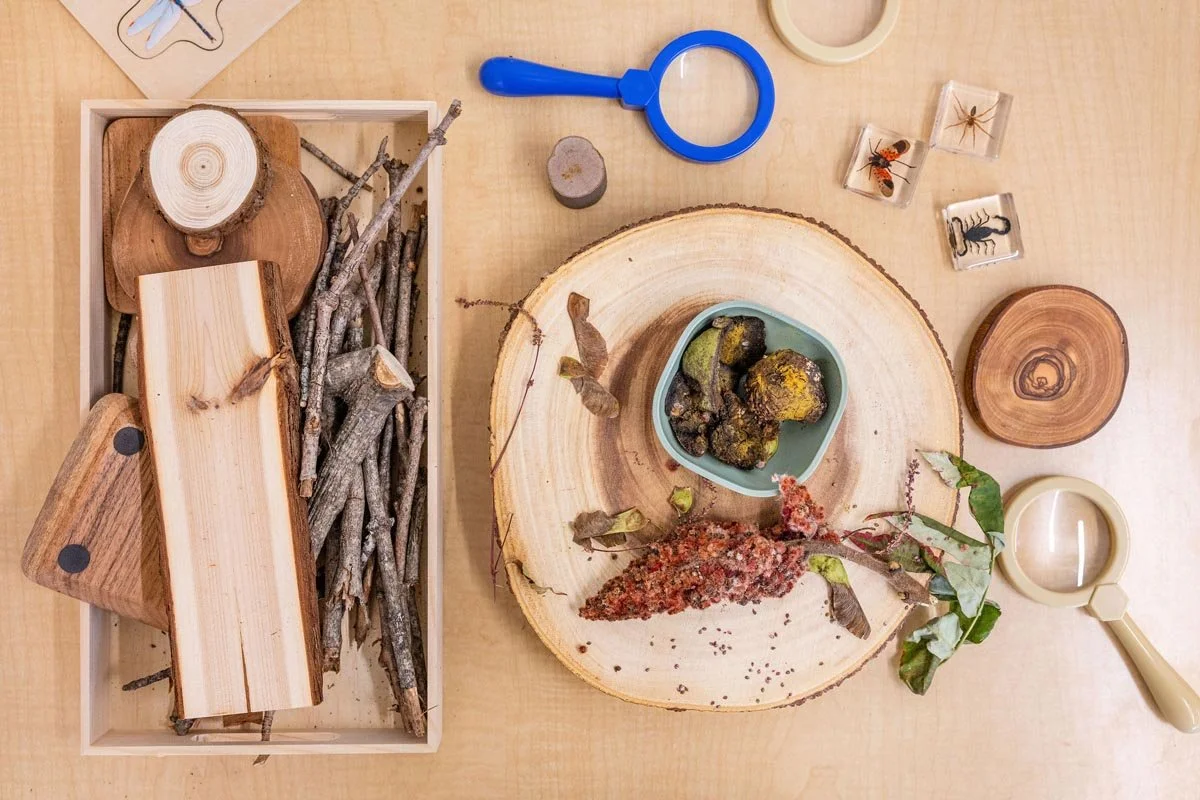
Philosophy
We believe that young children are capable, curious, and full of ideas.
Our work is grounded in a deep respect for childhood and in the understanding that learning happens through relationships, exploration, and meaningful experiences.
Our approach is inspired by the Reggio Emilia philosophy of early childhood education, which views children as active participants in their learning and teachers as thoughtful guides in that process.
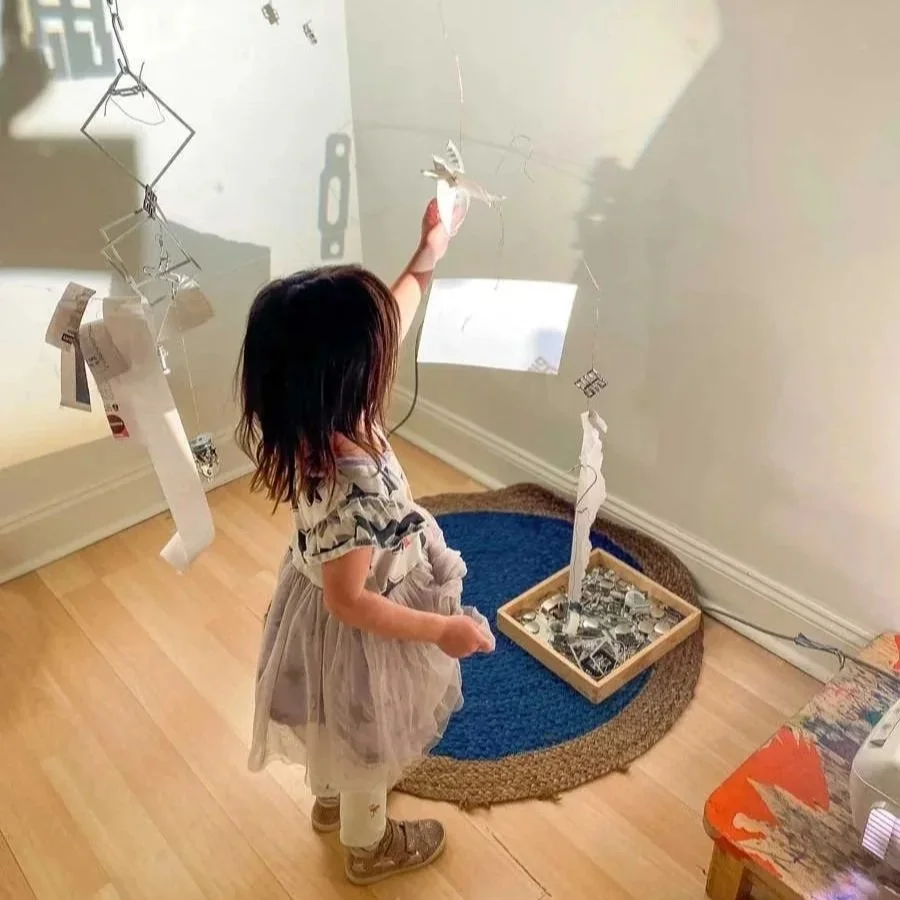
We see children as thinkers, researchers, collaborators, and communicators.
Children are not empty vessels waiting to be filled with information, but active participants in their own learning. They arrive with ideas, questions, and theories about the world around them. Our role as educators is to listen closely, observe carefully, and create conditions where those ideas can grow and evolve. Through conversation, exploration, and shared experience, children build knowledge together, developing both confidence in their thinking and respect for the perspectives of others.
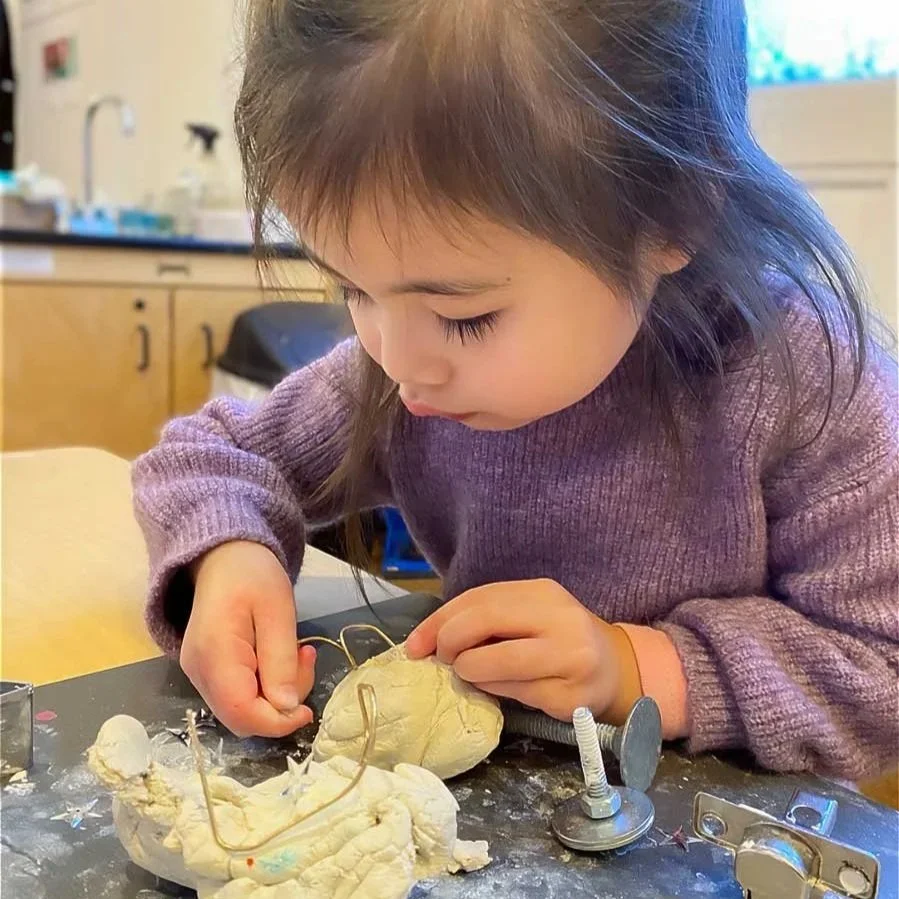
We see teachers as collaborators.
The role of the teacher is to observe closely, listen carefully, and work alongside children to support the development of their ideas over time.
Rather than following a fixed curriculum, teachers build learning experiences based on children’s questions, interests, and discoveries.
This approach allows learning to be thoughtful, responsive, and deeply engaging, creating space for ideas to evolve naturally and for children to take an active role in shaping their own learning.
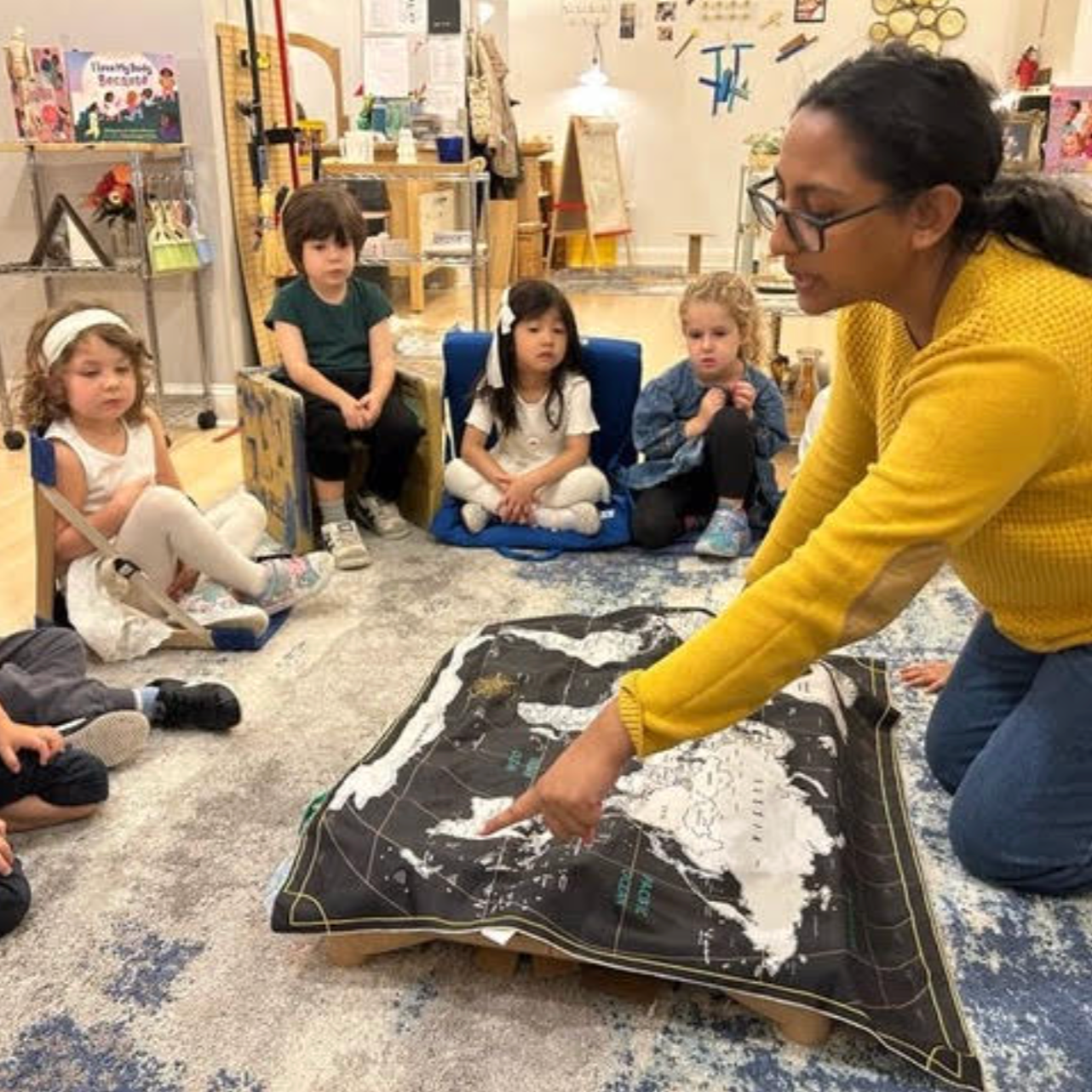
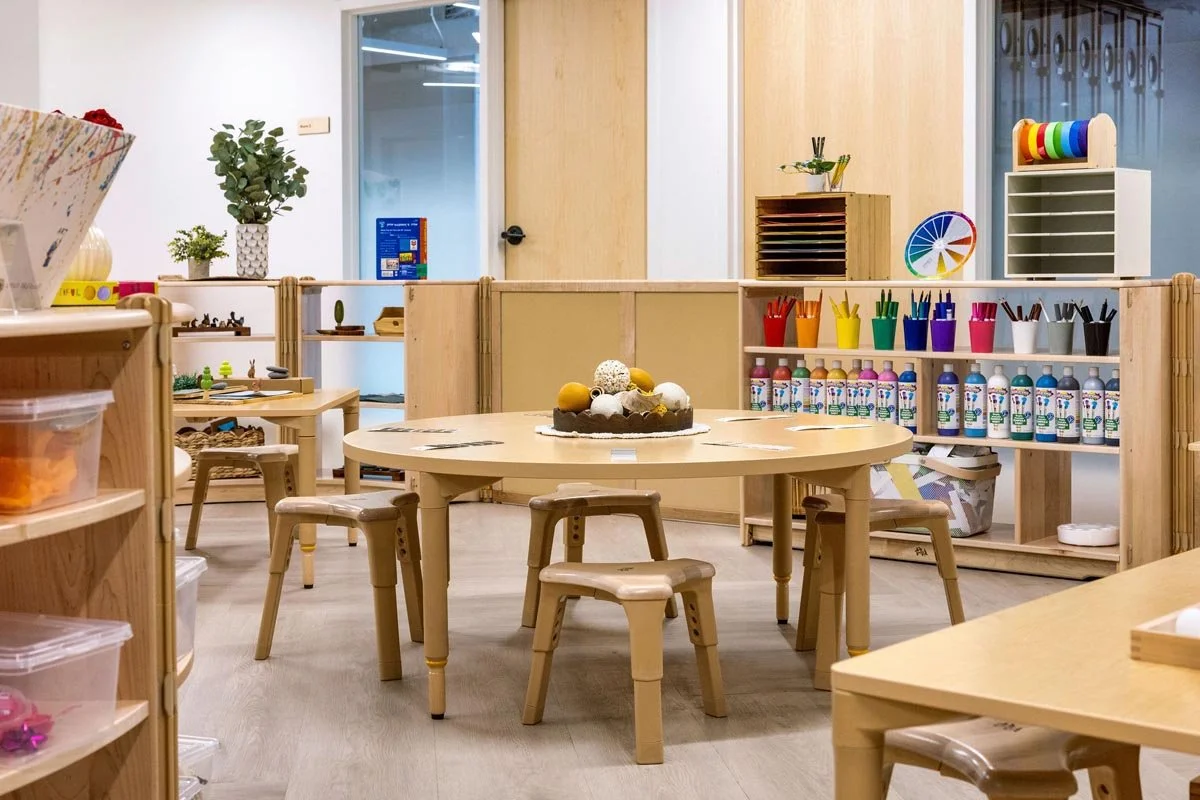
The environment plays a central role in the learning process.
The physical environment plays a powerful role in how children learn. Our classrooms are intentionally designed to be calm, beautiful, and engaging, with materials that are accessible and thoughtfully arranged. These spaces invite children to explore, experiment, and return to their ideas over time. In this way, the environment becomes a teacher in its own right, supporting independence, collaboration, and sustained inquiry.
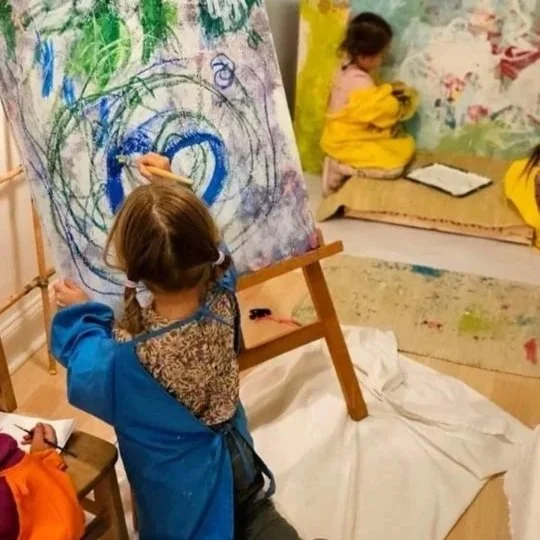
Children express their ideas in many different ways.
Educators often speak of the “hundred languages” of children, describing the many ways children think, express, and make meaning.
Through drawing, painting, sculpting, music, science, storytelling, and dramatic play, children learn to communicate their ideas, share discoveries, and give form to their understanding.
Our role is to nurture and extend these languages, helping children express their thinking with greater depth, nuance, and clarity.
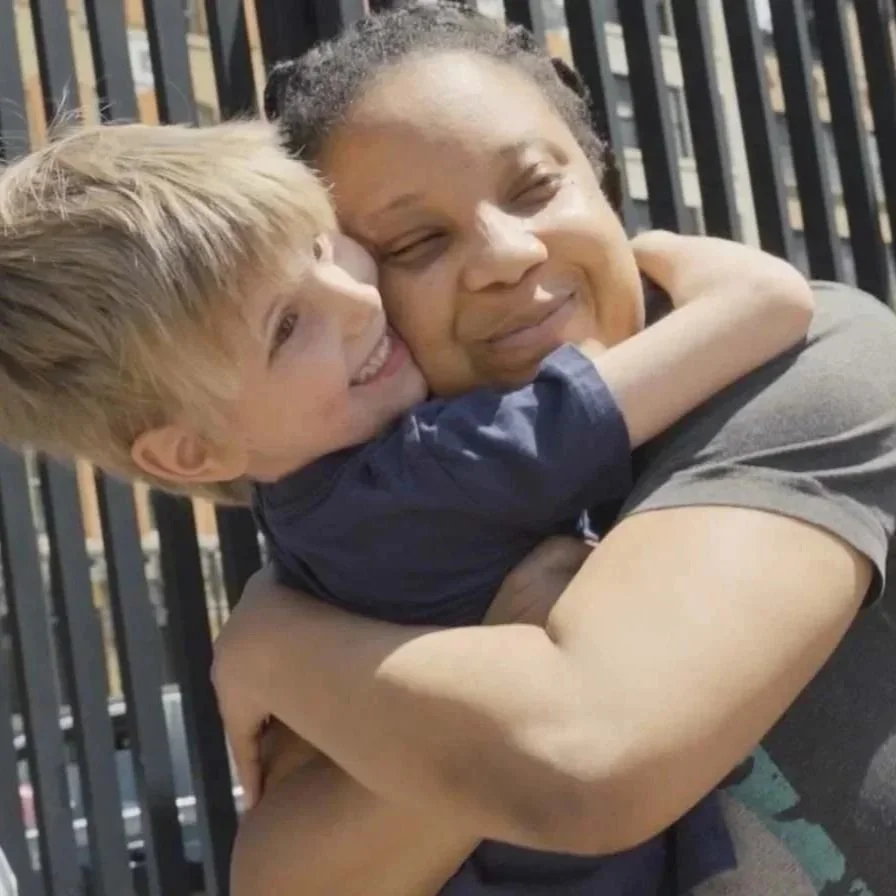
Learning is rooted in relationships.
Strong, trusting relationships form the foundation of meaningful learning experiences. Children learn best when they feel safe, known, and respected by the adults and peers around them. Our educators build close connections with each child, taking the time to understand their individual rhythms, strengths, and needs. These relationships extend to families as well, creating a partnership that supports each child’s growth both in and out of the classroom.
Want to learn more?
Interested families and educators are invited to join our Newsletter email list to receive news and updates about our program.